Proposal Development and Review
- Home
- Proposal Development and Review
Proposal Development and Review
We facilitate the development of community-led research projects, including supporting CBOs or community members to be the project PI. This function requires a structure that helps CBO and HEI partners center the values of equal power-sharing and transparency by:
1) prompting open communication during the development of research project ideas
2) providing a mechanism for review of project proposals that deepens communication about equity and power-sharing
3) requiring that Collaboratory projects adopt formal MOUs based on provided templates; and
4) establishing a project closeout process.
Because project types vary (e.g. Community-based participatory research, other research, student research, teaching-focused projects), proposal development and review processes are designed to fulfill the above functions for different project types.
Proposal development and review processes will be designed to balance the benefits of transparency and accountability regarding equitable collaboration with attention to minimizing paperwork and other administrative tasks that may discourage collaboration.


Proposal Review Board
The Proposal Review Board has been established to help CBO and HEI partners center the values of equal power-sharing and transparency in the proposal development process. The Board will carry out proposal vetting and support clearance with an internal Institutional Boards.
To avoid harm to internal or external groups from Collaboratory-supported projects, the Proposal Review Board will evaluate potential unintended consequences and community-level risks, including the impact on the community beyond those entities who agree to partner and participate in the research. The Proposal Review Board also helps guide management of competition among members over funding solicitations.
Please see the proposal development resources linked below. Collaboratory members can access Example MOUs and Example Proposals.
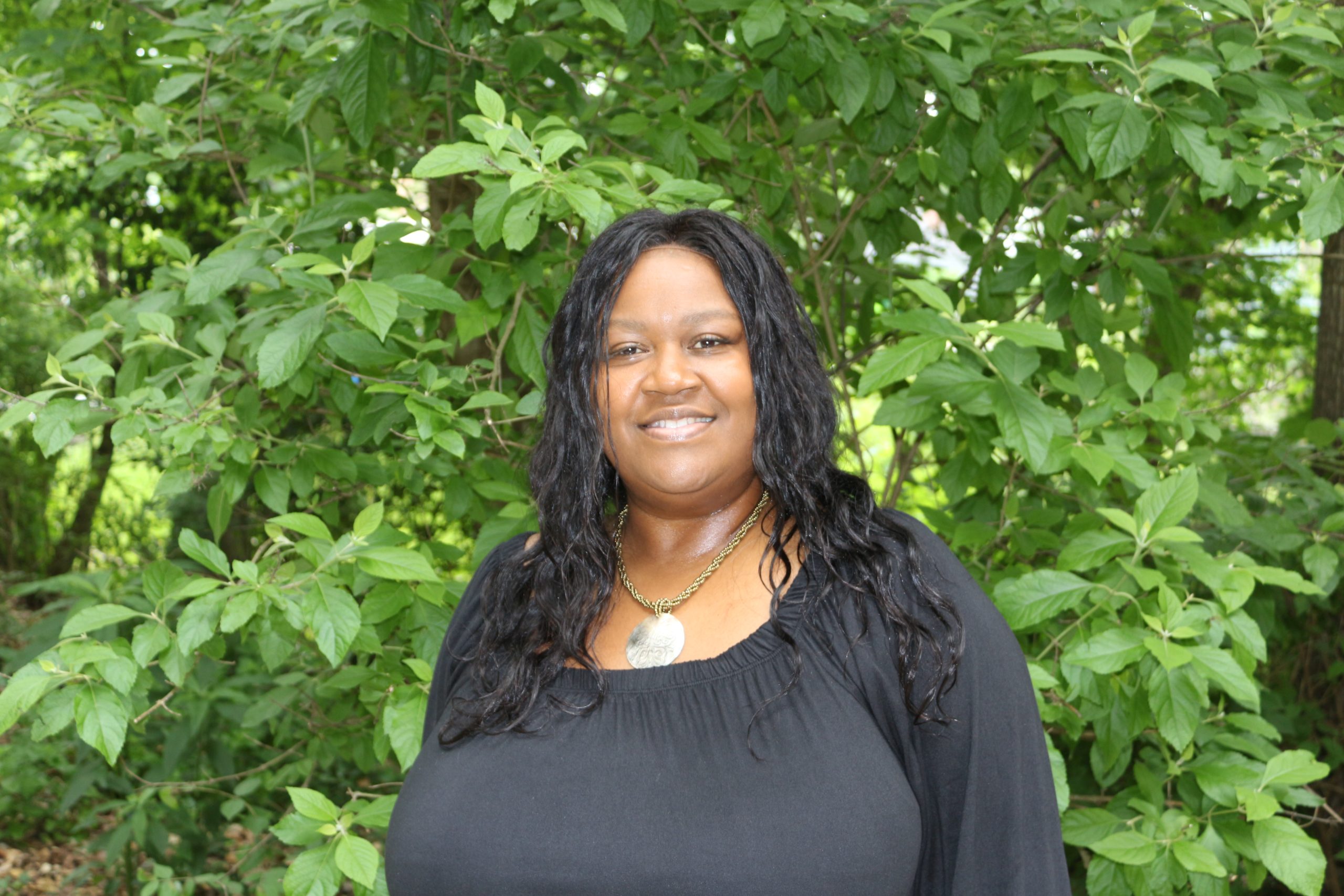
Carla Lewis
Founding CBO
ECO-Action
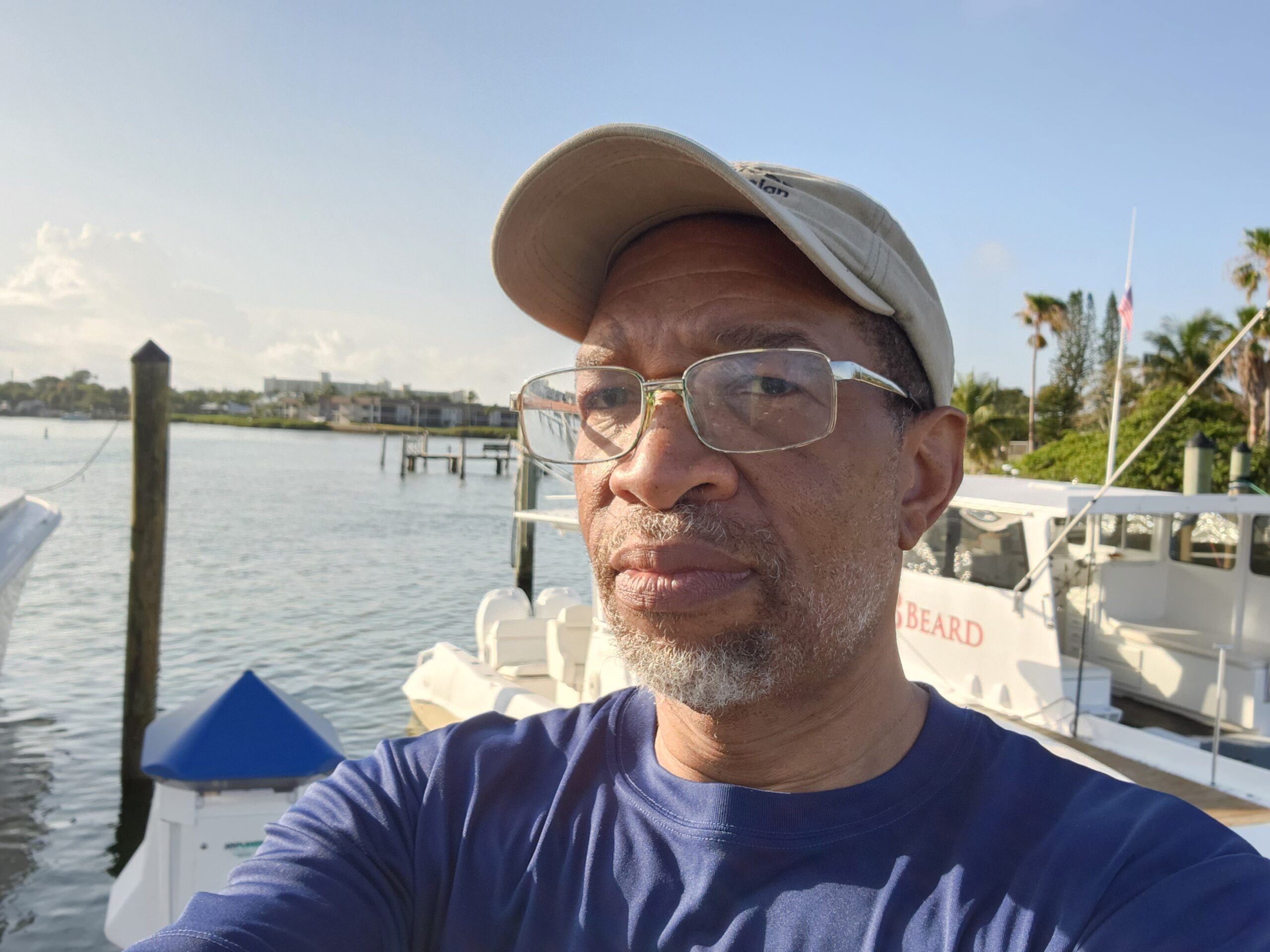
Darryl Haddock
Founding CBO
West Atlanta Watershed Alliance
Proposal guidelines
See suggested discussion questions for new partners below.
Example MOUs
Memorandums of Understanding help solidify agreements between research partners.
Example Proposals
Available to Collaboratory members only - please check the Membership tab to learn about joining.
Ready for feedback or facilitation?
The Proposal Review Board can facilitate conversations between prospective research partners. Please use the form linked here to submit draft proposals in any stage of development when both research partners agree that feedback will be helpful.
Proposal Guiding Questions
The below list of questions was developed by Collaboratory mebmers as a starting point for guiding meaningful, early conversations between prospective research partners. Consider sharing this list with a prospective partner to help jump-start the conversation about equitable work.
PROJECT GOALS, MOTIVATION, and CONTEXT: each collaborator should provide a few sentences describing their personal and professional goals and motivations for the proposed collaboration
- Is the project in response to a community-identified need?
- Does an externally funded grant require community engagement?
- Does the proposed collaboration/research build on previous or ongoing work?
- Does the project identify unrealized potential in existing programming, collaboration, or partners?
- How does the project incorporate work/progress already generated by other partners/existing efforts?
- Is the proposed project distinct from projects already underway in Collaboratory partner institutions such that a new effort on the part of the CBO is not redundant?
COMMUNITY IMPACT: each collaborator should carefully consider the below questions specifically related to assessing potential benefits or harms from the project, and equity in the collaborative process
- Do the outcomes of the project have any potential to cause harm to another group?
- How will decision-making power be distributed during the collaboration?
- What time commitment is requested from the CBO, academic partner, and any other participants (ex. Graduate or undergraduate students, community members, other CBO staff)?
- How will the project ensure CBO and HEI workload expectations are transparent, understood and resourced?
- Have you identified space for meetings and if not what are your needs?(must incorporate both CBO and HEI meeting locations; ensure that costs associated with travel/parking are clearly defined)
- How does the project support the CBO (either through advancing core mission, direct compensation, in-kind contributions, etc)?
- How will authorship be determined for publications that result from the collaborative work?
- How will end-products be translated into something that can be put into policymaking/address an identified challenge?
- How will COB or Community Members participate (voices be heard) in the translation of scientific end-products into policymaking/address an identified challenge?
Additional resources for starting conversations
The guides linked below have been developed by other organizations working toward the goal of healthy and equitable partnerships. Most include additional lists of guiding questions that can help prospective partners get on the same page about equitable work.